
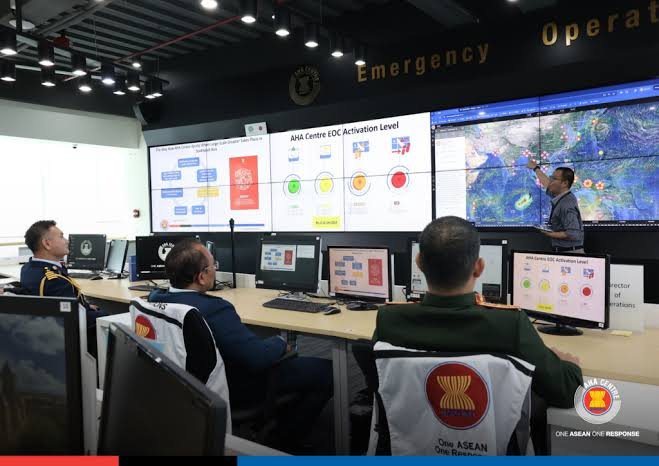
On August 26, ASEAN raised its haze alert to Level 3, its highest possible activation level, as toxic smoke from rampant fires in Indonesia's Kalimantan and Sumatra choked the region. This escalating environmental emergency prompted the immediate weekend closure of nearly 600 schools around Kuching, Malaysia, while Singapore scrambled to activate its comprehensive national emergency plans. Environmental experts are already sounding alarms that this is the most severe transboundary haze crisis since the catastrophic 2015 event, which inflicted a staggering 16 billion dollars in economic damages on Indonesia alone.
The underlying driver of this recurring crisis is a severe regional legal vacuum: ASEAN possesses no binding mechanism to hold polluters accountable. While Singapore enacted the Transboundary Haze Pollution Act in 2014—allowing it to fine domestic or foreign entities up to 1.5 million dollars—more than a decade has passed without a single conviction. This failure stems directly from Singapore's inability to secure verifiable evidence or land-use maps from within Indonesia's jurisdiction. Malaysia remains even further behind with no equivalent law on its books, as officials claim that tracing land ownership across foreign borders is virtually impossible.
The failure to suppress these fires highlights a deeply entrenched imbalance between corporate power, regulatory gridlock, and widespread economic vulnerability:
Because the region's legal frameworks remain completely paralyzed and identical to where they stood a decade ago, the true financial burden of the haze is shifted onto the public and broader economy. The toxic smoke acts as an invisible trade barrier, slowing down regional growth in real-time.
Flights across Southeast Asian hubs face extensive delays, vital maritime shipping arteries crawl to a halt in blinded ports, and manufacturing hubs lose thousands of critical workdays to emergency public health closures. Ultimately, just as the physical smoke drifts seamlessly across international borders, the immense financial and human health costs are forcibly shared by neighbouring nations, while the perpetrators operate with near-total legal impunity.