
On October 8, the president of Myanmar, Min Aung Hlaing, was welcomed by Malaysia's Prime Minister Anwar Ibrahim in Putrajaya following a two-day visit. There are almost 200,000 Myanmar refugees living in Malaysia, and the main topic of discussion was returning them home. Kuala Lumpur emphasized that the summit does not acknowledge the government of Myanmar, which took control in 2021 and won an election this year that was largely disregarded by foreign observers as a fraud. Last month, Anwar made his stance clear: Malaysia can embrace Myanmar, but Myanmar must repatriate its citizens. After the talks, the two leaders attended a cooperation dialogue organized by the Institute of Strategic and International Studies Malaysia, which brought together academics, think tanks, and business groups from both countries. Anwar said what was discussed must be followed by concrete action, with ministries and agencies working together.
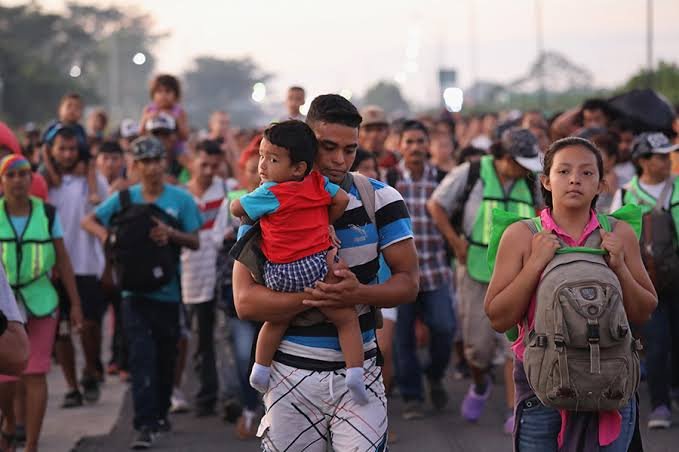
The returns have already begun. Anwar told parliament that about 10,000 people have been sent back since January, including nearly 1,500 by sea in the week before the visit. Malaysia says everyone agreed to go, but the UN refugee agency says its staff were not allowed to meet the returnees to confirm that their decisions were truly free and informed. More than 50,000 refugees were detained in immigration raids in 2026. Malaysia is not a party to the UN Refugee Convention and treats refugees as undocumented migrants, so they have no legal right to work or to formal protection.
Rohingya make up the majority of Myanmar refugees in Malaysia, and the country’s human rights commission has warned of growing hostility toward them. That hostility has turned violent. On October 13, a Molotov cocktail attack hit several homes at a Myanmar refugee settlement in Kulai, Johor, and police have since detained 13 local men aged 16 to 31. Meanwhile, lawmakers in this month’s budget debate have called for faster deportations of migrants. Rights groups and the UN agency warn that returnees could face persecution and forced conscription in an active war zone. Anwar says Myanmar has promised that no one will be harmed, but there is no independent way yet to check.
The policy sits awkwardly with Malaysia’s economy. Based on data from 2024, 2.3 million foreign workers, mostly in manufacturing, construction, and plantations, account for approximately 15% of the labor force. Approximately 80% of the labor on palm oil plantations comes from foreign workers; according to one research, this manpower shortfall costs the sector $4.6 billion annually. Although refugees are not legally allowed to work in these positions, a political environment that views all undocumented immigrants as a problem may also deter the necessary number of documented workers. It is still unclear how aggressively Malaysia may pursue undocumented workers without endangering industries that rely on foreign labor.
ASEAN is also divided over how to respond. It agreed in May to keep engaging Myanmar, and Anwar has pledged to work toward Myanmar’s return to the ASEAN fold, but the bloc has no binding common approach to refugees. Each member must weigh security, humanitarian duties, and labor needs largely alone. Malaysia’s October talks show how uneasy that balance has become, and the tension between returning refugees and protecting them will only grow as more boats leave.