
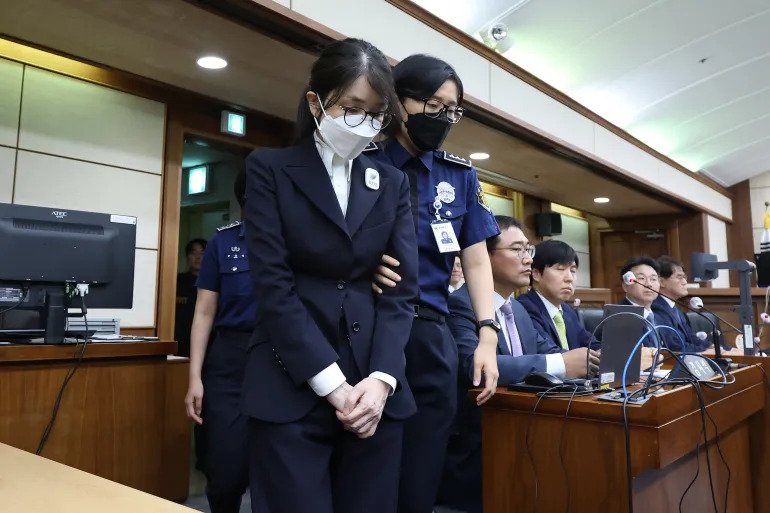
On June 26, a Seoul court sentenced Kim Keon Hee, the wife of former president Yoon Suk Yeol, to seven years in prison for bribery. It was her second conviction this year, following an earlier stock manipulation case. Yoon himself is serving a life sentence for attempting to seize power by force in 2024. But South Korea's history shows that political and judicial battles involving former presidents are nothing new.
Since democracy returned in 1987, five former presidents have faced investigations after leaving office, with two convicted even before Kim's case. Each new administration has often pursued members of the previous government, creating a cycle commonly described in South Korea as revenge politics.
What makes the current situation different is the role of the prosecution service. For years, South Korea's prosecutors were criticized for protecting political allies while aggressively pursuing opponents. Under Yoon, prosecutors strongly pursued his political rival Lee Jae-myung while facing criticism for moving more slowly against allegations involving Kim Keon Hee.
That history is now shaping major institutional changes under President Lee, who took office after Yoon.
The proposed reforms include:The reforms, however, create a difficult political contradiction for Lee himself. His own legal cases from before becoming president are currently frozen, while members of his party are supporting legislation that could protect a sitting president from prosecution. A separate process could potentially eliminate some of his outstanding charges altogether.
This creates an uncomfortable contrast: the courts are demonstrating that former leaders can face serious consequences, while the ruling coalition is simultaneously considering protections for the person currently occupying the presidency.
The situation therefore sends two competing messages about South Korea's anti-corruption campaign.
On one side:Lee's coalition still controls parliament, so his position is not immediately threatened. However, his approval rating has declined for six consecutive weeks, making the political consequences increasingly important.
The real test is whether South Korea can enforce the same standards against yesterday's leaders, today's leaders, and tomorrow's leaders without turning justice into another instrument of political competition.