
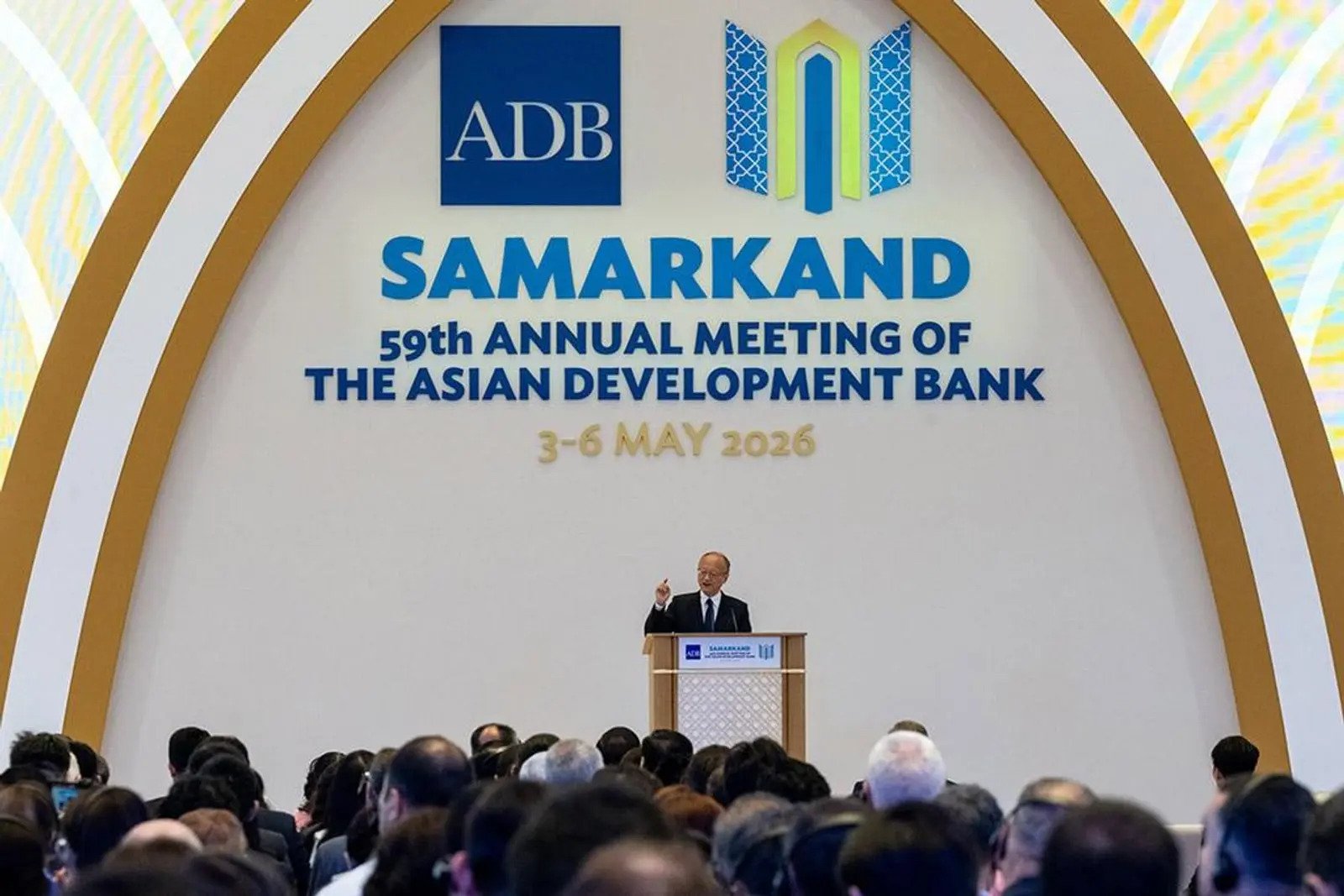
On July 8, the Asian Development Bank lowered its 2026 growth forecast for developing Asia and the Pacific to 4.9 percent, down from 5.1 percent in April and well below the 5.5 percent growth the region posted in 2025. The main reason is the ongoing conflict in the Middle East, which has kept energy markets disrupted for longer than the ADB initially expected, even after a ceasefire framework was signed in June.
The economic impact is spreading far beyond fuel prices. Higher oil and gas costs are increasing fertilizer prices, food costs, transportation expenses, and freight rates. This is creating additional pressure on businesses and households across Asia, while also making it more difficult for governments to support economic growth.
South Asia has been hit particularly hard. Countries that depend heavily on imported energy are facing higher costs for transportation, electricity, agriculture, and industrial production. Southeast Asian economies are also feeling the pressure as weaker global demand combines with more expensive imports.
Central banks across the region are responding differently. Indonesia has kept interest rates high, near 6.25 percent, to protect the rupiah and control inflation. Singapore tightened its currency-based policy in April for the first time in four years as imported inflation increased. Malaysia, by contrast, has kept its rate steady at 2.75 percent for three consecutive meetings, expecting domestic demand to help absorb the economic shock.
ADB's chief economist summarized the challenge facing policymakers: a durable peace in the Middle East could ease pressure on energy and shipping markets, but until then, governments across Asia must balance two competing priorities. Supporting economic growth is important, but allowing inflation to remain high could weaken household purchasing power and business confidence.
For the rest of 2026, energy prices, shipping costs, inflation, and developments in the Middle East will remain important factors for Asia's economic outlook. The region's ability to maintain growth while managing these external pressures will be closely watched in the months ahead.
Asia's growth slows as energy costs and inflation rise amid Middle East tensions.