
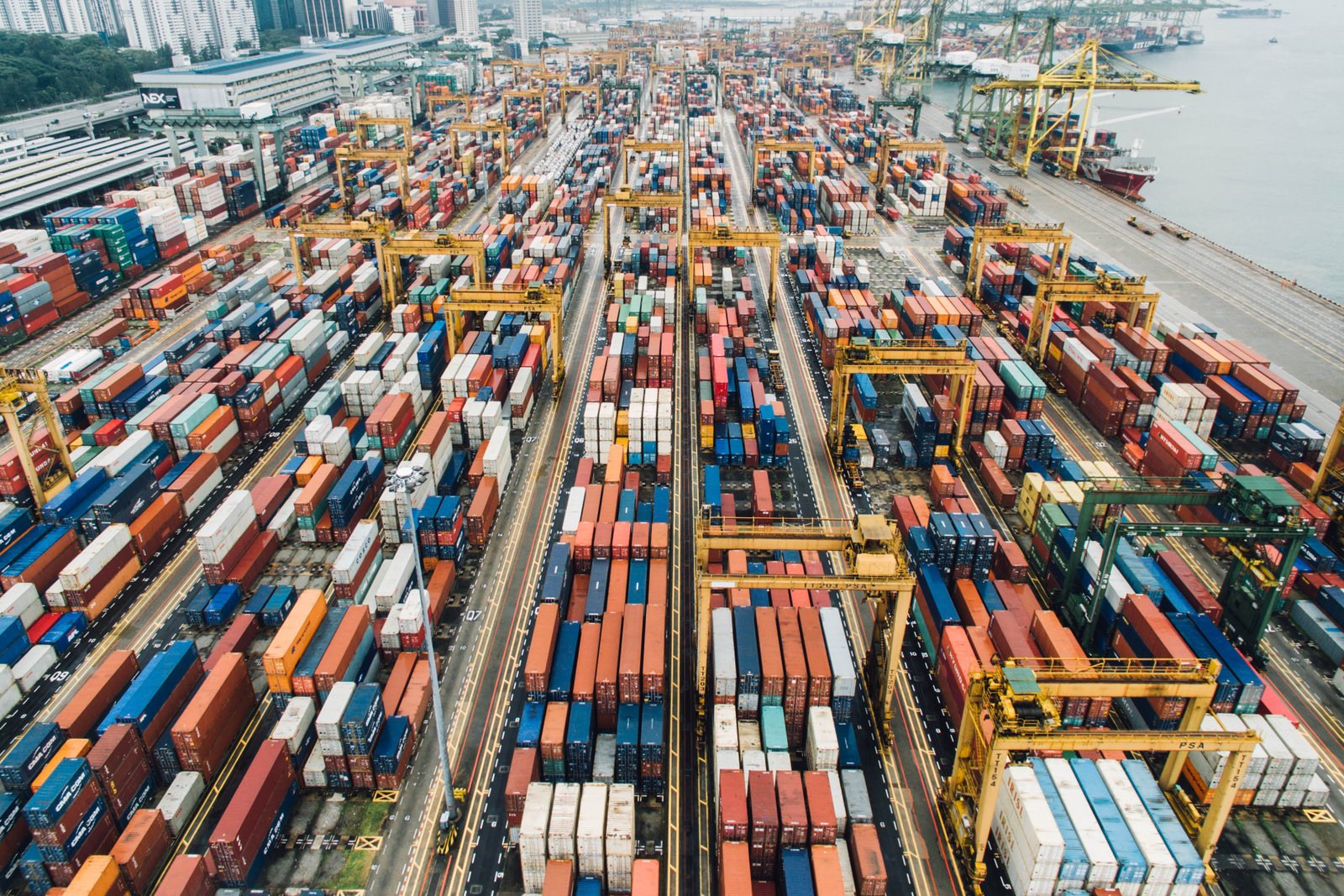
A World Bank report released July 31 highlights a major challenge facing East Asia and the Pacific: the region will need nearly $900 billion in maritime investment through 2040 just to keep trade moving efficiently. Ports and shipping lanes already handle more than 6 billion tons of goods every year, supporting up to $3.7 trillion in economic activity and around 9 million jobs.
But the infrastructure supporting this enormous trade network is under growing pressure. Aging ships, congested ports, extreme weather, and rising sea levels are exposing weaknesses that could become increasingly costly as regional trade continues to expand.
Ports and shipping infrastructure will require major upgrades over the next 15 years. As trade continues to grow by around 3.5 to 4 percent annually, the region is expected to handle roughly 300 million additional shipping containers each year by 2040.
The scale of the challenge differs sharply from country to country. China's Port of Shanghai already handles more than 50 million containers annually, with ships often spending around a day in port. Smaller Pacific island nations, however, still depend on aging harbors that can be disrupted for weeks after a major storm.
This gap is becoming more important as climate risks increase. A damaged port can interrupt food supplies, energy deliveries, manufacturing inputs, and exports, meaning that infrastructure resilience is no longer just a transportation issue but a broader economic security concern.
The World Bank argues that governments and private investors will need to work together to close the investment gap. Stable regulations and long-term policies will be essential if companies are expected to commit capital to infrastructure projects that may take decades to generate returns.
The Asian Development Bank is also supporting this effort with a $1 billion fund focused on greener and more resilient ports. However, neither initiative comes close to covering the region's estimated $900 billion requirement.
The real test will be whether governments can use public funding to reduce investment risks enough to attract private capital at the scale required. Without that cooperation, East Asia's ports could become a bottleneck for one of the world's most important trade regions.
East Asia needs nearly $900 billion in maritime investment to keep trade moving as aging ports, climate risks, and growing shipping demand create a critical infrastructure gap.
East Asia faces a $900 billion maritime investment challenge as aging infrastructure, climate risks, and rising trade put growing pressure on regional ports.